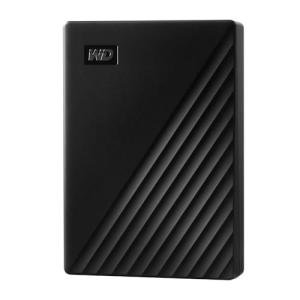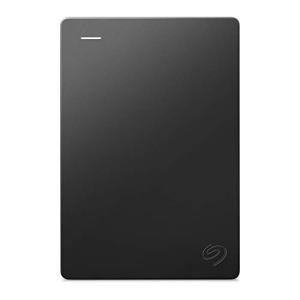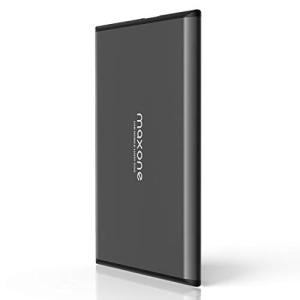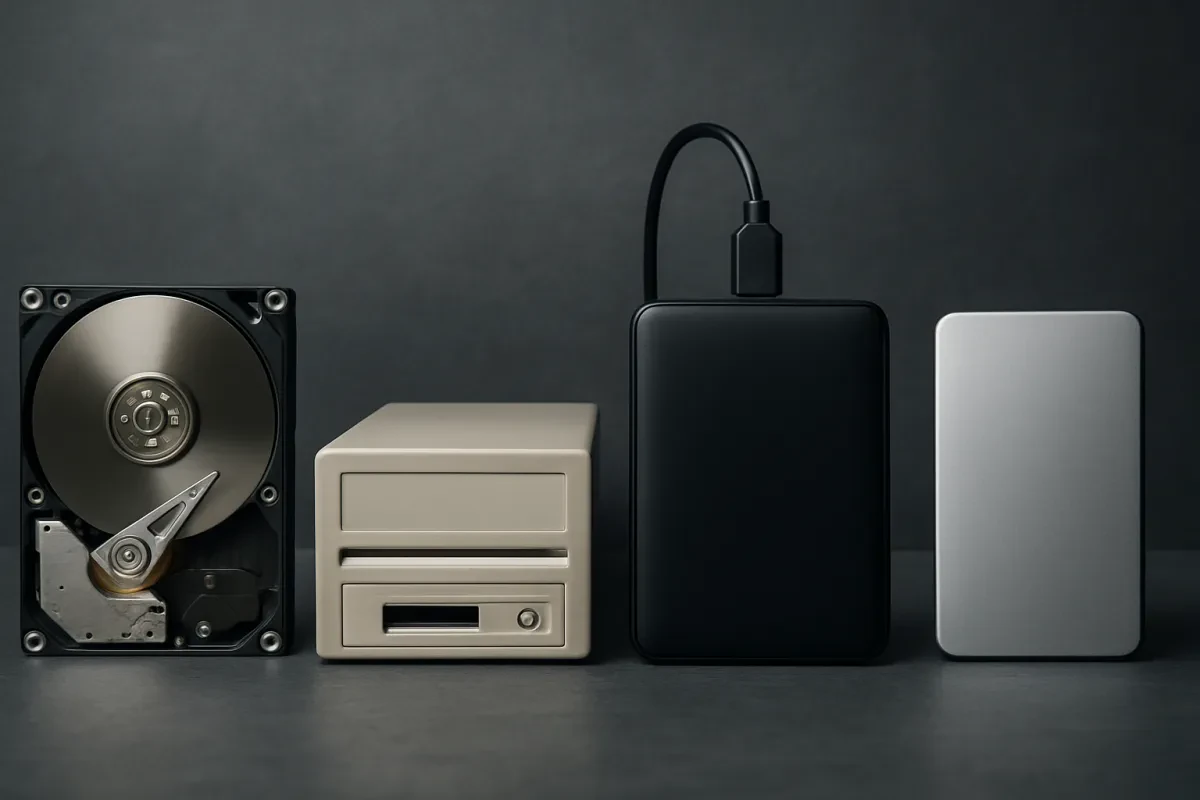
The journey of external hard drives has been quite exciting. It all started in the late 1980s with bulky drives that were often the size of a small suitcase. These early models were heavy, expensive, and had storage capacities that seem tiny by today’s standards. Back then, they were mostly used by businesses needing to back up their data or move files around. The technology was evolving, but the drives were far from portable.
As we entered the 1990s, things began to change. Manufacturers started to understand the need for greater portability. External hard drives got smaller and lighter, making it easier for everyday users to carry them around. They started incorporating USB connections, which allowed for quick and easy data transfer. You could finally plug one into your laptop without needing a degree in computer science!
Fast forward to the 2000s, and we saw a significant leap in the evolution of external hard drives. These drives became even more affordable and accessible. With larger capacities and faster transfer speeds, people began to use them for everything from storing photos and videos to backing up entire systems. It quickly became a must-have accessory for anyone who needed extra space.
Today, external hard drives are sleek and compact. You can find them in various sizes and styles to fit your needs. Whether you need a high-capacity drive for video editing or a tiny one for everyday file storage, options are everywhere. The evolution of external hard drives shows how far we've come in technology and how these handy devices have become essential for both work and play.
Key Features of Modern Drives
When it comes to the evolution of external hard drives, there are some key features that really stand out. These modern drives are designed with efficiency and user experience in mind, making them a must-have for anyone who needs extra storage.
First up, speed. Today’s external hard drives come with faster data transfer rates. Whether you’re transferring large files for work or moving your movies and music collection, the latest drives are quick and efficient. USB 3.0 and USB-C connections are common now, and they make a huge difference in how fast you can get your data on and off the drive.
Next, let’s talk storage capacity. You can find drives ranging from a few hundred gigabytes to several terabytes. If you have a lot of photos, videos, or games, you’ll appreciate the space these drives offer. There's a perfect option for everyone, whether you want something compact for travel or a larger drive for at-home use.
Don’t forget about portability. The evolution of external hard drives has made them smaller and lighter than ever. Some are even pocket-sized! If you’re always on the go, a sleek, lightweight drive is a game-changer. You’ll be able to take your important files with you everywhere you go without being weighed down.
Finally, many modern drives come with added security features. Encrypting your files keeps your data safe from prying eyes. Automatic backups are another handy feature, so you don't have to worry about losing anything important. These drives are not just storage solutions; they're also essential tools for protecting what matters most to you.
Comparing HDDs and SSDs
When diving into the evolution of external hard drives, it’s impossible not to compare HDDs and SSDs. These two types of storage are the main players, each bringing their own perks and quirks to the table.
HDDs, or hard disk drives, have been around for ages. They use spinning disks to read and write data. This means they tend to be cheaper for a lot of storage space. If you’re looking to store large files or backups on a budget, an HDD could be your best buddy. Just remember, they can be a bit slower and more vulnerable to physical damage because of those moving parts.
On the flip side, SSDs, or solid-state drives, have made a splash in recent years. They use flash memory, which means they have no moving parts. This makes them super fast and way more durable. If speed matters to you—like when you’re gaming or running demanding software—an SSD is the way to go. Sure, they can be pricier, especially for larger capacities, but that speed boost feels amazing.
So, which one should you pick? Think about what you need. Do you want a budget-friendly option with lots of storage? Go for an HDD. But if you crave speed and reliability for your daily tasks, grab an SSD. The evolution of external hard drives has given us great choices, so it’s all about finding what fits your life best!
Future Trends in Storage Technology
When you think about the evolution of external hard drives, it’s clear that technology keeps pushing boundaries. As we look to the future, a few exciting trends are popping up. First up, we have solid state drives (SSDs) continuing to take the spotlight. Unlike traditional hard drives, SSDs offer lightning-fast speeds and are super compact. No more waiting ages for your files to transfer. If you’re into gaming or heavy media editing, SSDs are going to be your new best friend.
Storage capacities are getting a huge boost too. We used to be wowed by one terabyte drives, but soon, drives with multiple terabytes will become the norm. Imagine having all your photos, videos, and games in one lightweight drive. It’s perfect for those of us who love to keep everything organized and on hand.
Also, let’s not forget about cloud storage integration. While external drives offer portability, the future might lean towards a mix of physical and cloud solutions. Imagine using your physical drive to store files while easily syncing with cloud services. This gives you access to your files anytime, anywhere, while still having a backup in case something goes wrong.
Lastly, we should watch for improvements in security features. With cyber threats constantly evolving, keeping your data safe is a priority. Future external drives may come with built-in encryption and biometric security. Picture unlocking your drive with your fingerprint. It makes your data much harder for someone else to access. The evolution of external hard drives is not just about size or speed; it’s about making sure your information stays secure while being easy to access.